MP4 Movies Filmyzilla: Legal Risks, Cybersecurity Threats, & Safe Alternatives
India’s digital revolution has drastically changed how we consume entertainment. With affordable smartphones and cheap internet data, millions of users search for ways to watch their favorite Bollywood, Tollywood, and Hollywood films on the go. One of the most common search queries on the internet today is “mp4 movies filmyzilla”.
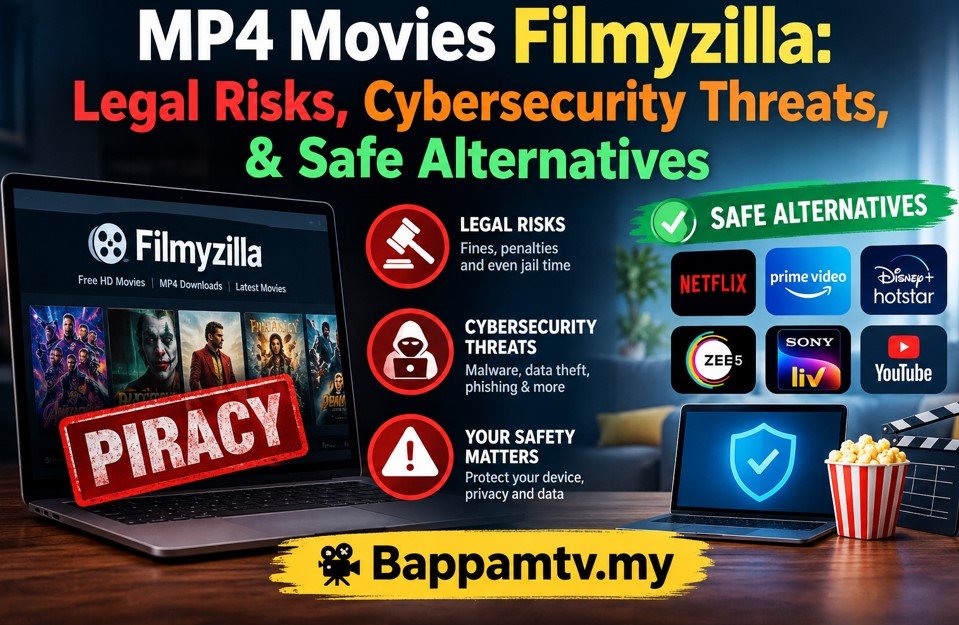
However, beneath the promise of free entertainment lies a complex web of severe legal consequences, aggressive cybersecurity threats, and ethical dilemmas. Filmyzilla is a notorious piracy network that distributes copyrighted material without authorization. While downloading a quick MP4 file might seem harmless, it directly violates Indian copyright laws and exposes your personal devices to devastating malware.
This comprehensive guide will break down exactly what this search trend means. We will explore the technical reasons behind the popularity of the MP4 format, dissect the severe legal penalties introduced by the Indian government in recent years, and uncover the hidden digital threats lurking behind “free” download buttons. Finally, we will provide you with a curated list of high-quality, legal streaming platforms that offer safe entertainment without the risks.
What is the “MP4 Movies Filmyzilla” Search Trend?
To understand why millions of users actively type this specific phrase into search engines, we must look at the intersection of technology, consumer behavior, and mobile internet usage in India.
The Appeal of the MP4 Format
The MP4 (MPEG-4 Part 14) format is universally recognized as the standard for digital video. Users specifically search for MP4 movies because the format is universally compatible. Whether you are using a ten-year-old Android smartphone, a modern iPhone, a smart TV, or a Windows laptop, an MP4 file will play smoothly without requiring third-party video players. Furthermore, MP4 files offer an excellent balance between video quality and file compression. This means a full-length movie can be compressed to roughly 300MB to 500MB, saving valuable mobile data and storage space.
The Filmyzilla Phenomenon
Filmyzilla operates as a shadow network of websites that leak newly released theatrical films and exclusive OTT web series. These networks constantly change their domain names (using extensions like .in, .xyz, .biz, or .vin) to evade law enforcement and internet service provider (ISP) blocks. They categorize content into easily navigable sections, such as “Bollywood MP4 Movies,” “Hollywood Hindi Dubbed,” and “South Indian Blockbusters.“
While the convenience of finding a compressed MP4 movie on these platforms drives immense search volume, users often do not realize they are participating in an illegal ecosystem that damages the global film industry and funds illicit digital activities.
The Hidden Cybersecurity Risks of Unauthorized Movie Sites
Many users believe that the only risk associated with downloading pirated content is legal. However, the most immediate danger is to your personal cybersecurity. Piracy websites do not generate revenue through traditional, vetted advertising networks. Instead, they rely on malicious ad networks and hidden scripts.
Malicious Pop-Ups and Forced Redirects
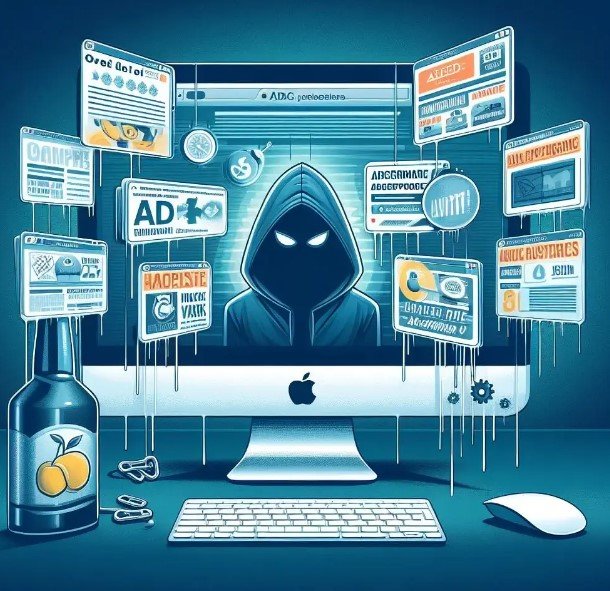
When you attempt to click a download link on an unauthorized site, you rarely get the movie file on the first click. Instead, invisible overlays hijack your click, redirecting your browser to suspicious third-party websites. These redirects often host tech-support scams, adult content, or fraudulent gambling portals.
Malware and Ransomware Infections
Hackers frequently use the demand for newly released movies to distribute malware. You might believe you are downloading a video file, but the downloaded file might have a hidden executable extension (e.g., movie-name.mp4.exe). Once opened, this file can install ransomware, locking your device and demanding a financial payout to restore your data.
Phishing for Financial Information
Many illicit movie platforms now employ aggressive phishing tactics. They may prompt users to “create a free account” or “verify a credit card for age confirmation” before allowing a download. Providing any personal information or banking details to an unregulated piracy network almost guarantees identity theft or financial fraud.
Cryptojacking
A rising threat on unauthorized streaming platforms is cryptojacking. While you spend two hours watching a movie on a piracy site, the website runs hidden JavaScript code in the background. This code hijacks your computer’s or smartphone’s processor to mine cryptocurrency for the website owners. This causes your device to overheat, drains your battery rapidly, and severely degrades your hardware’s lifespan.
The Legal Consequences in India: Cinematograph Act and IT Rules
The Indian government has taken an aggressive stance against digital piracy to protect the country’s massive film and entertainment industry. Engaging with platforms like Filmyzilla is not a victimless action; it is a direct violation of federal law.
The Cinematograph (Amendment) Act, 2023
To combat the rampant spread of leaked films, the Indian Parliament passed the Cinematograph (Amendment) Act, 2023. This updated legislation introduces stringent anti-piracy provisions specifically designed for the digital age.
Under Sections 6AA and 6AB of the amended act, unauthorized recording and digital transmission of copyrighted films are explicitly criminalized. The penalties for violating these rules are exceptionally severe. Offenders can face a minimum of three months of imprisonment, which can extend up to three years. Furthermore, fines can start at ₹3 lakh and can escalate up to 5% of the audited gross production cost of the film. This means leaking a high-budget Bollywood movie could result in fines amounting to tens of crores of rupees.
Intermediary Liability and the IT Rules 2021
The government does not just target the individuals recording the films; they also actively shut down the digital infrastructure hosting them. Under Section 79(3)(b) of the Information Technology Act, 2000, and the Information Technology Rules, 2021, the government can force intermediaries (like internet service providers, web hosts, and search engines) to remove unlawful content.
Recent enforcement data highlights the scale of this crackdown. The Ministry of Information & Broadcasting recently directed intermediaries to disable 7,393 URLs, which included 1,263 piracy websites and 4,996 Telegram channels distributing illegal films. Nodal officers have been appointed to oversee rapid takedown requests, ensuring that pirated content is removed from the internet faster than ever before.
MP4 vs. MKV: Understanding Movie File Formats
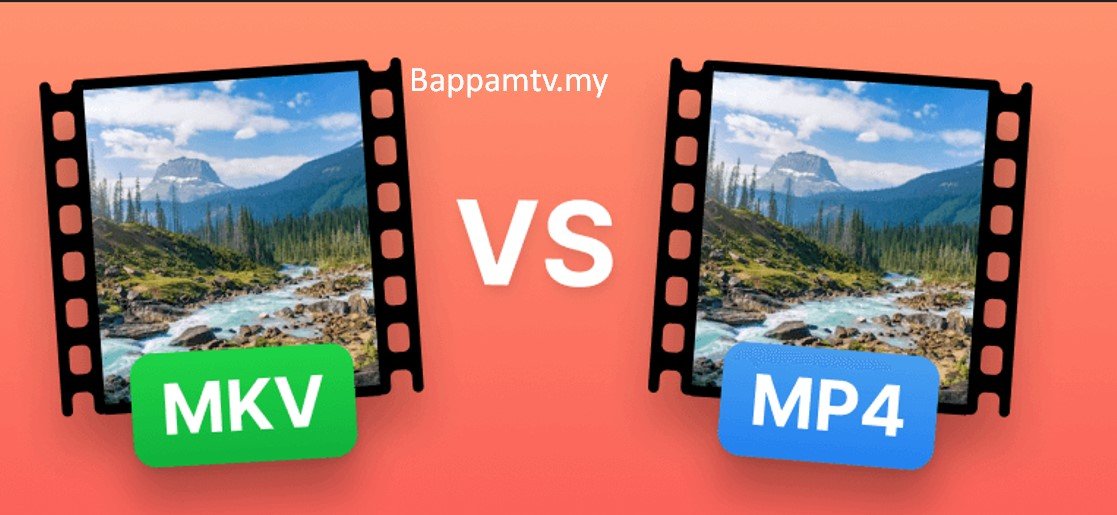
When users search for movies online, they frequently encounter two primary file formats: MP4 and MKV. Understanding the technical differences between these containers helps explain why MP4 remains the most sought-after format for mobile users.
The MP4 Container (MPEG-4 Part 14)
MP4 is a digital multimedia container format most commonly used to store video and audio. Its greatest strength is its universal hardware support. Because it was developed by the Moving Picture Experts Group (MPEG) and adopted widely by Apple, Microsoft, and Google, MP4 relies on highly efficient codecs like H.264 or H.265 (HEVC). This format requires very little processing power to decode, meaning it will not drain a smartphone battery quickly while watching a two-hour film.
The MKV Container (Matroska Video)
MKV is an open-source, highly flexible multimedia container. Unlike MP4, an MKV file can hold an unlimited number of video, audio, picture, or subtitle tracks in a single file. This makes MKV the preferred format for high-definition, multi-language movie rips. You can easily switch between Hindi, Tamil, and English audio tracks, and turn various subtitles on or off. However, MKV files are generally larger and often require dedicated third-party media players like VLC to function properly on mobile devices.
Comparison Table: MP4 vs. MKV
To clarify the technical distinctions, here is a detailed comparison of the two dominant movie formats:
| Feature | MP4 (MPEG-4 Part 14) | MKV (Matroska) |
| Primary Use Case | Web streaming, mobile devices, general playback. | High-definition archival, multi-language releases. |
| Device Compatibility | Universally supported across all devices and browsers. | Requires specific media players (e.g., VLC). |
| File Size | Highly compressed, smaller file sizes (Ideal for limited data). | Generally larger due to multiple audio/subtitle tracks. |
| Multiple Audio Tracks | Limited support; usually contains a single audio track. | Excellent support; can hold unlimited audio languages. |
| Subtitle Support | Subtitles are often “hardcoded” (burned into the video). | Soft subtitles; easily toggleable on and off. |
| Battery Consumption | Low (Hardware decoded by most modern chips). | Moderate to High (Often requires software decoding). |
Pros & Cons: Legal Streaming vs. Unauthorized Downloading
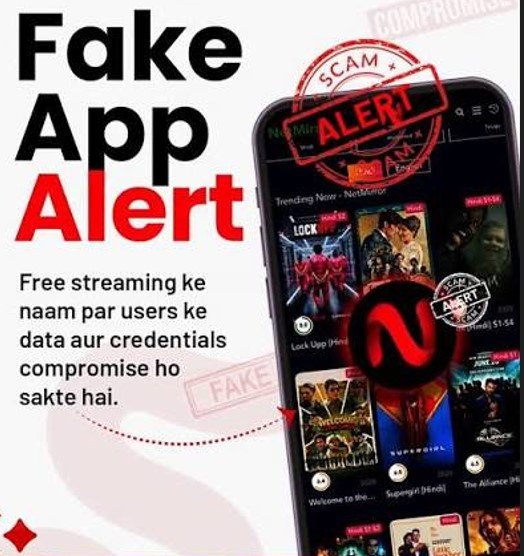
Choosing between a legal streaming subscription and searching for unauthorized downloads involves weighing significant trade-offs.
Legal OTT Streaming Platforms
Pros:
- Guaranteed Safety: Zero risk of malware, ransomware, or cryptojacking.
- High-Quality Experience: Seamless streaming in 4K HDR and Dolby Atmos audio.
- Convenience: Smart recommendations, watch-history syncing across devices, and instant playback.
- Supporting Creators: Ensures actors, directors, and crew members are compensated for their work.
Cons:
- Subscription Costs: Requires monthly or yearly subscription fees.
- Fragmented Content: You may need multiple subscriptions (Netflix, Prime, Hotstar) to watch all your desired content.
Unauthorized Downloading (Piracy Sites)
Pros:
- No Financial Cost: Content is available without a monetary subscription fee.
- Offline Viewing: Files are saved directly to local storage (though OTT apps now offer offline modes).
Cons:
- Extreme Security Risks: High probability of downloading severe malware or viruses.
- Legal Jeopardy: Violates the Cinematograph Act, risking fines and legal action.
- Terrible User Experience: Annoying pop-ups, broken links, and intrusive, inappropriate advertisements.
- Poor Quality: Early releases are often “cam-prints” (recorded in a theater with poor audio and visual quality).
Best Legal Alternatives to Filmyzilla in India
The Indian digital landscape offers a massive array of legal, high-quality, and affordable streaming alternatives. Many of these platforms even provide vast libraries of content entirely for free, supported by safe, regulated advertisements.
Free Legal Streaming Options
-
JioCinema:
JioCinema has disrupted the Indian OTT market by offering an enormous catalog of content for free. Backed by Viacom18, the platform streams live sports, hit Bollywood movies, and regional cinema at zero cost to the user. It is the safest and most comprehensive free alternative available today.
-
YouTube:
While known for user-generated content, YouTube hosts thousands of legal, full-length movies. Production houses like Rajshri, Goldmines Telefilms, and Shemaroo officially upload classic and dubbed movies to their channels.
-
Amazon miniTV:
Available within the Amazon shopping app, miniTV offers a growing selection of web series, comedy shows, and short films entirely for free, supported by unskippable ads.
-
MX Player:
A dominant player in the Indian market, MX Player transitioned from a local media player into a massive streaming platform. It offers a huge library of South Indian dubbed movies, Korean dramas, and original series for free.
Premium Legal Streaming Options
-
Disney+ Hotstar:
The undisputed leader in the Indian premium market. It offers exclusive access to Marvel movies, Disney classics, massive Bollywood blockbusters, and critically acclaimed Indian original series.
-
Amazon Prime Video:
Bundled with the Amazon Prime subscription, this platform provides incredible value. It boasts an extensive library of regional cinema (Tamil, Telugu, Malayalam), Amazon Originals like The Family Man and Mirzapur, and international hits.
-
Netflix India:
Known for its premium user interface and global catalog, Netflix has invested heavily in Indian content. They offer mobile-only plans specifically tailored for the Indian market at highly affordable monthly rates.
-
Zee5 & SonyLIV:
These two platforms excel in Indian television content, regional cinema, and live sports. SonyLIV is highly regarded for its gripping original thrillers (like Scam 1992), while Zee5 holds a massive catalog of regional blockbusters.
How to Protect Your Devices from Digital Threats
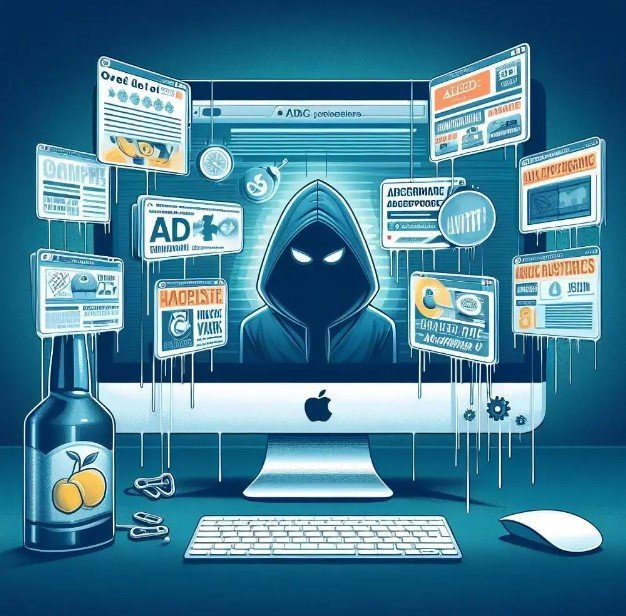
If you are an active internet user who frequently browses various media sites, maintaining strong digital hygiene is crucial. Even if you accidentally click a misleading link, the following steps will protect your devices.
1. Stick to Official App Stores
Never download .apk files or software installers from random websites offering “free movies.” Always download your streaming applications directly from the Google Play Store or the Apple App Store. These official repositories scan applications for malicious code before allowing them on the platform.
2. Use a Reliable VPN (Virtual Private Network)
A VPN encrypts your internet traffic, hiding your IP address from malicious websites and tracking scripts. While a VPN will not protect you from downloading a virus, it secures your browsing data from being intercepted on public Wi-Fi networks and prevents targeted phishing attacks based on your location.
3. Install Comprehensive Antivirus Software
Both computers and smartphones benefit from reputable security software. Programs like Bitdefender, Malwarebytes, or Kaspersky offer real-time web protection. They will actively block known malicious domains and scan downloaded files (including supposed MP4s) before they can execute harmful payloads.
4. Utilize Browser Extensions
Install an ad-blocker like uBlock Origin on your desktop browser. This extension neutralizes aggressive pop-ups, invisible tracking scripts, and malicious redirects commonly found on unauthorized media websites, creating a much safer browsing environment.
Frequently Asked Questions (FAQs)
1. Is it illegal to search for “MP4 movies Filmyzilla”?
Searching for the term itself on Google is not a crime. However, actively downloading or distributing copyrighted movies from unauthorized websites violates the Indian Copyright Act and the Cinematograph Act, which can lead to severe legal penalties.
2. Can an MP4 file actually contain a virus?
A genuine MP4 video file cannot contain an executable virus. However, malicious websites frequently disguise malware by naming a file movie-name.mp4.exe or movie-name.mp4.zip. If you run these disguised files, your device will be infected.
3. Why are movies on unauthorized sites often in MP4 format?
MP4 offers excellent compression, keeping file sizes small (often under 500MB) while maintaining acceptable video quality. This format is also universally compatible with all smartphones and smart TVs without requiring extra software.
4. What is the punishment for film piracy in India?
Under the Cinematograph (Amendment) Act 2023, unauthorized recording and digital transmission of copyrighted films can result in a prison sentence ranging from three months to three years, alongside fines starting at ₹3 lakh up to 5% of the film’s gross production cost.
5. Are there safe, free alternatives to watch movies?
Yes. Platforms like JioCinema, YouTube (official channels like Goldmines or Rajshri), MX Player, and Amazon miniTV offer vast libraries of legal, free content supported by regulated advertisements.
6. Why does my phone overheat when visiting piracy websites?
Many unauthorized streaming sites use background JavaScript to mine cryptocurrency using your device’s processor (cryptojacking). This maxes out your CPU, causing severe overheating and battery drain.
7. How do piracy websites continue to operate despite bans?
These networks constantly change their top-level domain names (e.g., switching from .in to .xyz) and use offshore servers to evade local law enforcement and internet service provider (ISP) blocks.
8. Do VPNs make downloading pirated movies legal?
No. A VPN simply encrypts your internet traffic and hides your IP address. The act of downloading copyrighted material without permission remains strictly illegal, regardless of whether a VPN is used.
9. What should I do if I accidentally clicked a malicious pop-up?
Immediately close the browser tab. Do not download any files the pop-up suggests, and do not enter any personal information. Run a full system scan using a reputable antivirus application to ensure no background scripts were installed.
10. Is downloading a movie different from streaming it illegally?
Legally, both actions infringe on copyright. However, downloading saves a physical copy to your device, which often carries harsher legal scrutiny regarding possession and potential redistribution compared to temporary streaming.
Conclusion
The search phrase “mp4 movies filmyzilla“ represents a massive demand for accessible digital entertainment across India. While the allure of free, highly compressed movies is understandable in a mobile-first nation, the hidden costs are simply too high.
Engaging with unauthorized piracy networks directly exposes your personal data to aggressive cybersecurity threats, including ransomware, phishing attacks, and cryptojacking. More importantly, the Indian government has enacted strict laws, such as the Cinematograph (Amendment) Act 2023, drawing a hard legal line against digital piracy with severe financial and penal consequences.
Fortunately, the Indian digital ecosystem has evolved. Users no longer need to risk their digital safety or break the law to enjoy high-quality entertainment. With an abundance of premium OTT platforms like Disney+ Hotstar and Prime Video, alongside incredible free legal options like JioCinema and YouTube, safe and legal entertainment is just a click away. Protect your devices, respect intellectual property, and transition to legal streaming alternatives for a superior, risk-free cinematic experience.