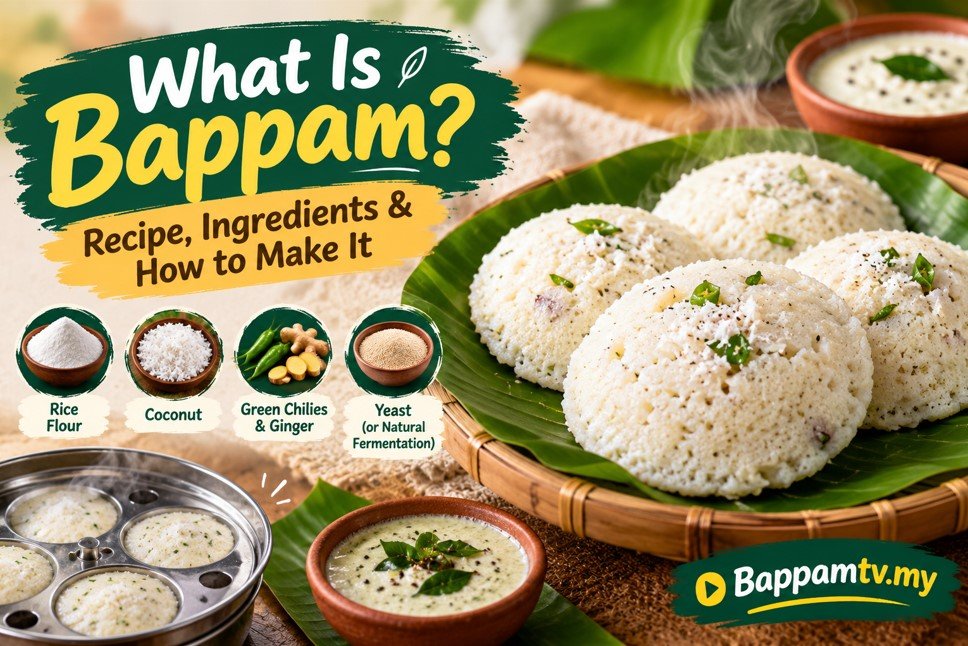
What Is Bappam? Recipe, Ingredients & How to Make It
Picture this: a soft, pillowy cake that steams away quietly in the kitchen while the rest of the world rushes toward instant everything. No deep frying, no fuss, just rice flour, coconut, and a little patience. That’s Bappam — and if you’ve never come across the name before, you’re not alone. It’s one of those quietly brilliant South Indian dishes that never got the international spotlight idli, dosa, and appam enjoyed, despite deserving a seat at the same table.
If you’ve been searching for “what is Bappam” or “how to make Bappam,” you’ve landed in the right place. This guide breaks down everything — what it is, where it comes from, how it’s made, and why it might just become your new favorite steamed snack.
What Exactly Is Bappam?

Bappam is a traditional South Indian dish best described as a savory steamed cake or steamed dumpling. Made primarily from rice flour, grated coconut, and a handful of aromatics like green chilies and ginger, it results in a texture that’s soft, spongy, and lightly fragrant. Think of it as a cousin of idli, but with its own distinct personality — slightly denser, richer from the coconut, and often shaped in small molds that give it a signature look.
Unlike dosa or vada, Bappam isn’t fried. It’s steamed, which keeps it light on the stomach and firmly in the “comfort food you can eat guilt-free” category. It pairs beautifully with coconut chutney, tomato chutney, sambar, or even a simple bowl of yogurt.
Where Does Bappam Come From?
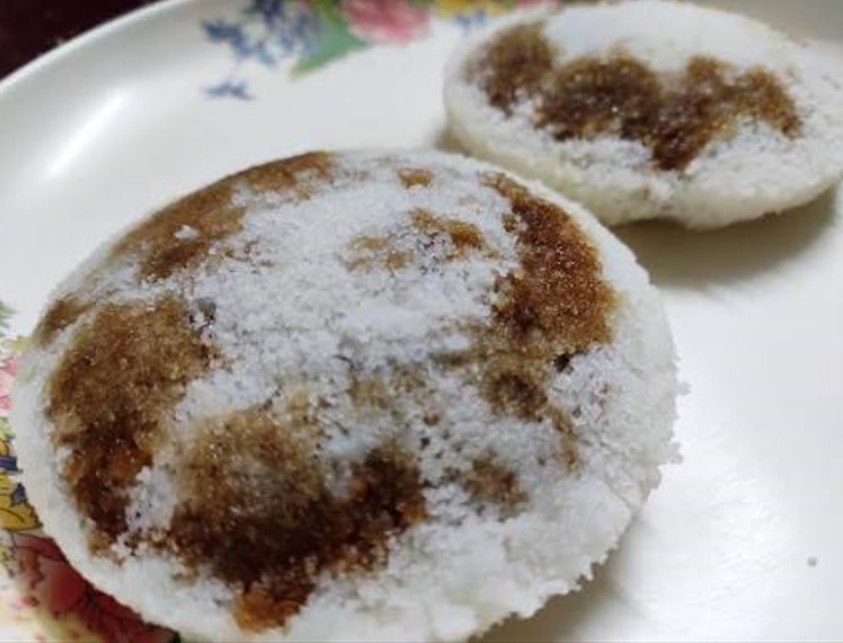
The exact origins of Bappam are hard to pin down with certainty, which is true of many regional South Indian dishes that were passed down through households rather than documented in cookbooks. What’s generally understood is that Bappam has long been associated with temple festivals and community feasts in South India, where large batches of steamed rice-based foods were (and still are) prepared to feed crowds efficiently.
This community connection isn’t unique to Bappam. Steamed rice cakes as a category have deep roots across South India. Fermented rice-and-coconut batters, similar in spirit to what goes into Bappam, appear in ancient Tamil literature describing street food sold in old Madurai markets — evidence that this style of cooking has been part of the region’s culinary identity for centuries.
Why Bappam Deserves More Attention
There’s a quiet elegance to Bappam that makes it stand out once you understand what it brings to the table:
- Simplicity – A handful of pantry staples is all it takes. No fancy equipment, no complicated technique.
- Versatility – Eat it for breakfast, pack it as a snack, or serve it as part of a festive spread.
- Digestibility – Because it’s steamed rather than fried, and often made with naturally fermented batter, it’s gentle on digestion.
- Cultural weight – It carries the memory of community kitchens, festival mornings, and generations of home cooks.
- Nutrition – Built on rice flour and coconut, it’s naturally light while still being satisfying.
If dosa is the dish everyone knows and idli is the one everyone eats for breakfast, Bappam is the quiet sibling that never needed the attention to be good.
Bappam vs. Other South Indian Steamed Dishes
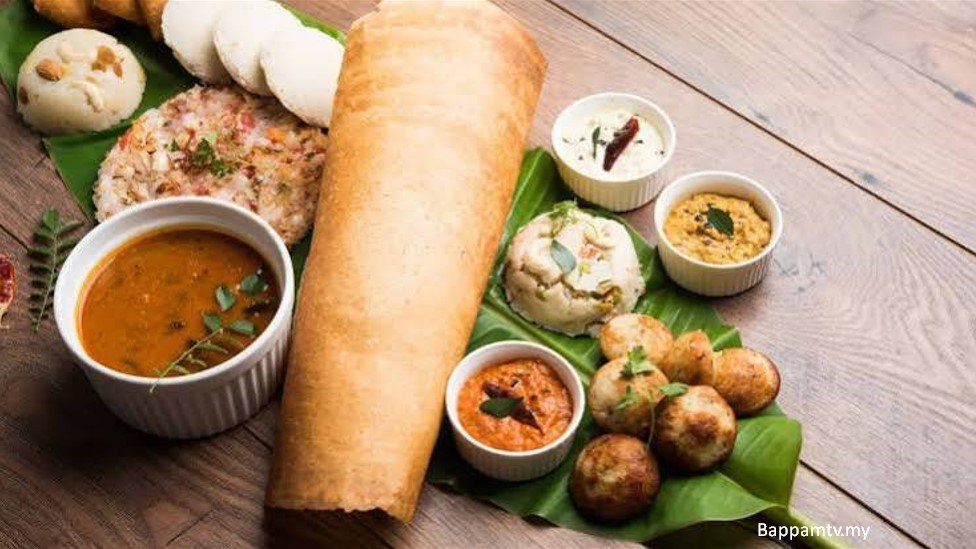
It’s easy to lump Bappam in with idli or appam, but there are real differences worth knowing:
| Dish | Base Ingredients | Cooking Method | Texture |
| Bappam | Rice flour, coconut, spices | Steamed in molds | Soft, spongy, slightly dense |
| Idli | Rice, urad dal (fermented) | Steamed in idli plates | Light, airy |
| Appam | Rice, coconut milk | Cooked in a curved pan (appachatti) | Lacy edges, soft center |
| Kallappam | Fermented rice, coconut | Cooked in a pan | Spongy, slightly sweet |
The biggest giveaway is the coconut. While idli batter typically skips it, Bappam leans on grated coconut for both texture and flavor, giving it a richer bite than a standard idli.
How to Make Bappam at Home
Ready to try it yourself? Here’s a straightforward approach based on how it’s traditionally prepared.
Ingredients You’ll Need
- Rice flour (the primary base of the batter)
- Grated fresh coconut
- Yeast, or naturally fermented rice, to help the batter rise
- Finely chopped green chilies
- Fresh ginger, minced
- A pinch of salt
- Water, as needed to adjust consistency
Step-by-Step Method
- Mix the base. Combine rice flour and grated coconut in a large bowl. Add just enough water to form a thick, smooth batter — similar in consistency to idli batter.
- Add the aromatics. Stir in the chopped green chilies, minced ginger, and salt. Mix well so the flavors distribute evenly.
- Ferment the batter. Cover the bowl and let it rest in a warm spot for 6 to 8 hours, or overnight if your kitchen runs cool. This step is what gives Bappam its light, airy structure, so don’t rush it.
- Prep your molds. Lightly grease small steaming molds, ramekins, or an idli tray with oil.
- Fill and steam. Pour the fermented batter into the molds, filling each about halfway to leave room for rising. Steam for 10 to 15 minutes, or until a toothpick inserted into the center comes out clean.
- Cool and serve. Let the Bappam rest for a few minutes before unmolding. Serve warm with chutney, sambar, or yogurt on the side.
Pro Tips for Better Bappam
- Don’t skip the fermentation. It’s the single most important step for getting that soft, spongy texture right.
- Keep the batter thick but pourable. Too thin, and the Bappam won’t hold its shape; too thick, and it turns dense.
- Use fresh coconut when possible. It makes a noticeable difference in both flavor and moisture compared to desiccated coconut.
- Adjust spice to taste. If you’re serving this to guests unfamiliar with South Indian heat levels, go easy on the green chilies and let the chutney carry the spice instead.
Popular Variations of Bappam
Like most regional dishes, Bappam has evolved differently depending on the household and region making it.
Sweet Bappam
Some cooks skip the chilies and ginger entirely and instead sweeten the batter with jaggery or sugar, turning Bappam into a mild, comforting dessert rather than a savory snack. This version tends to show up more often during festivals.
Fermented Rice Bappam
Instead of commercial yeast, some traditional recipes rely on naturally fermented rice to leaven the batter. It takes longer and requires a bit more planning, but many home cooks swear the flavor is worth the wait.
Coconut-Forward Bappam
Some versions increase the coconut ratio significantly, leaning into a richer, almost dessert-like flavor even in the savory preparations.
Serving Suggestions
Bappam is flexible enough to fit into almost any meal:
- Breakfast: Pair with coconut chutney and a hot cup of filter coffee.
- Snack: Serve on its own with a side of tomato chutney for dipping.
- Festive meal: Include it as part of a larger spread alongside sambar, rasam, and a vegetable curry.
- Light dinner: A couple of Bappam with a bowl of yogurt makes for an easy, gentle evening meal.
Health Angle: Is Bappam a Healthy Choice?
Because Bappam is steamed rather than fried, it fits comfortably into a lighter diet. Rice flour and coconut form the nutritional backbone, providing carbohydrates for energy along with the natural fats found in coconut. Fermentation, when used, may also make the batter easier to digest compared to unfermented rice preparations. That said, portion size and what you pair it with (a rich coconut-based curry versus a lighter sambar, for instance) will ultimately shape how it fits into your overall diet.
As with any traditional dish, it’s worth remembering that Bappam is best enjoyed as part of a balanced plate rather than viewed purely through a “health food” lens — it’s comfort food first, and a genuinely nourishing one at that.
Where to Find Bappam If You’re Not Cooking It Yourself
Bappam remains largely a home-kitchen dish, which means you won’t find it on every South Indian restaurant menu in the U.S. Your best bets are:
- Restaurants that specialize in regional South Indian home-style cooking rather than generic “Indian food” menus.
- Temple community meals or cultural festivals, where traditional steamed dishes like Bappam sometimes make an appearance.
- Asking South Indian friends or neighbors — this is very much a recipe passed down through families rather than sold in stores.
If none of those are an option, the good news is that Bappam is genuinely simple enough to make at home, even for someone new to South Indian cooking.
Conclusion
Bappam might not have the name recognition of dosa or idli, but that’s exactly what makes it worth discovering. It’s humble, it’s comforting, and it carries the kind of quiet tradition that gets passed down at home rather than marketed in restaurants. Whether you go savory with green chilies and ginger, or sweet with a touch of jaggery, Bappam is proof that some of the best food doesn’t need to shout to be memorable.
Ready to try it? Gather your rice flour and coconut, give the batter time to ferment properly, and steam up a batch this weekend. Once you taste that soft, spongy bite fresh out of the steamer, you’ll understand exactly why this dish has stuck around for generations — and you might just find yourself making it a regular part of your kitchen rotation.
Frequently Asked Questions
1. What is Bappam made of?
Bappam is primarily made from rice flour and grated coconut, combined with a leavening agent (yeast or naturally fermented rice), and often flavored with green chilies, ginger, and salt.
2. Is Bappam the same as idli?
No. While both are steamed rice-based cakes, Bappam includes grated coconut in the batter, giving it a richer, denser texture compared to the lighter, airier idli, which typically uses fermented rice and urad dal.
3. Is Bappam sweet or savory?
It can be either. The traditional version is savory, flavored with green chilies and ginger, but sweet variations made with jaggery or sugar are also common, especially during festivals.
4. How long does Bappam batter need to ferment?
Most recipes call for 6 to 8 hours of fermentation in a warm environment, though overnight fermentation is common if your kitchen is cooler.
5. Can I make Bappam without yeast?
Yes. Traditional recipes often use naturally fermented rice instead of commercial yeast, though this typically requires more time to achieve the same rise.
6. What do you serve with Bappam?
Coconut chutney, tomato chutney, sambar, and plain yogurt are all popular accompaniments.
7. Is Bappam gluten-free?
Since it’s made primarily with rice flour, Bappam is naturally gluten-free, making it a good option for those avoiding wheat-based products.
8. How is Bappam different from Appam?
Appam is cooked in a curved pan (appachatti) and has a distinctive lacy edge with a soft center, while Bappam is steamed in molds and has a more uniform, spongy texture throughout.
9. Can Bappam be made ahead of time?
The batter can be prepared and fermented a day in advance, but Bappam itself is best steamed fresh and eaten warm for the best texture.