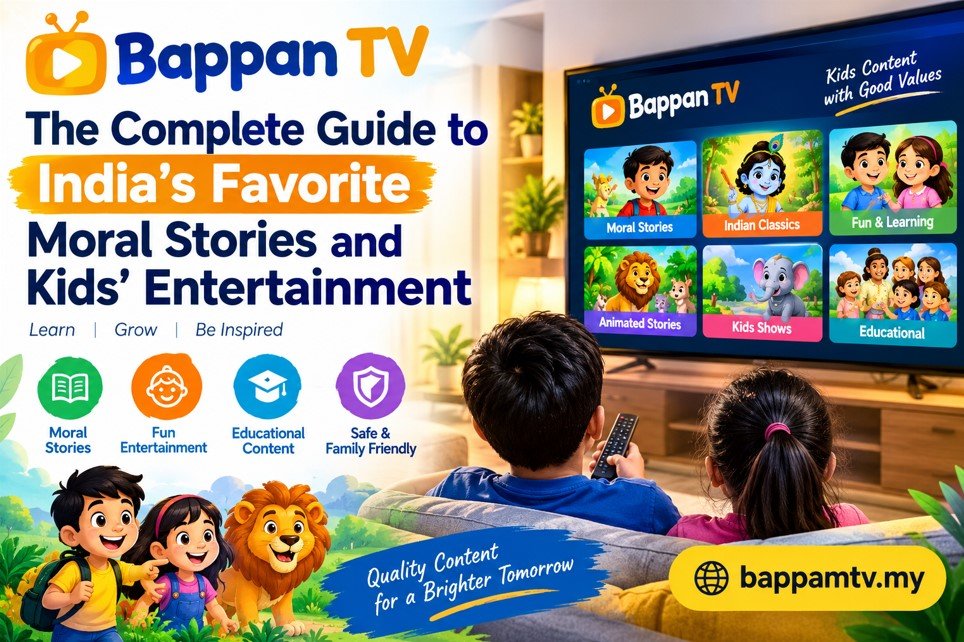
Bappan TV: India’s Favorite Moral Stories and Kids’ Entertainment
Digital entertainment in India has shifted dramatically over the past decade. Parents no longer rely solely on legacy cable cartoon channels to keep their children engaged. Instead, digital-first creators producing local-language storytelling now dominate household screens. Among these popular platforms, Bappan TV stands out as a dedicated hub for Hindi moral stories, folklore, and character-driven animation.
Children learn best through stories that mirror their daily surroundings, cultural nuances, and native languages. While international cartoons offer great visual appeal, they often miss the cultural warmth and everyday ethics that Indian parents want to pass on to the next generation. This is where Bappan TV fills the gap. By combining vibrant 3D animation with timeless Indian fables, everyday village and city tales, and relatable family dynamics, the platform has gained millions of loyal young viewers and trusting parents across India.
Whether you are a parent seeking safe, value-driven screen time for your child, an educator looking for audio-visual moral lessons, or an animation enthusiast tracking India’s regional creator economy, this comprehensive guide covers everything you need to know about Bappan TV.
What is Bappan TV?
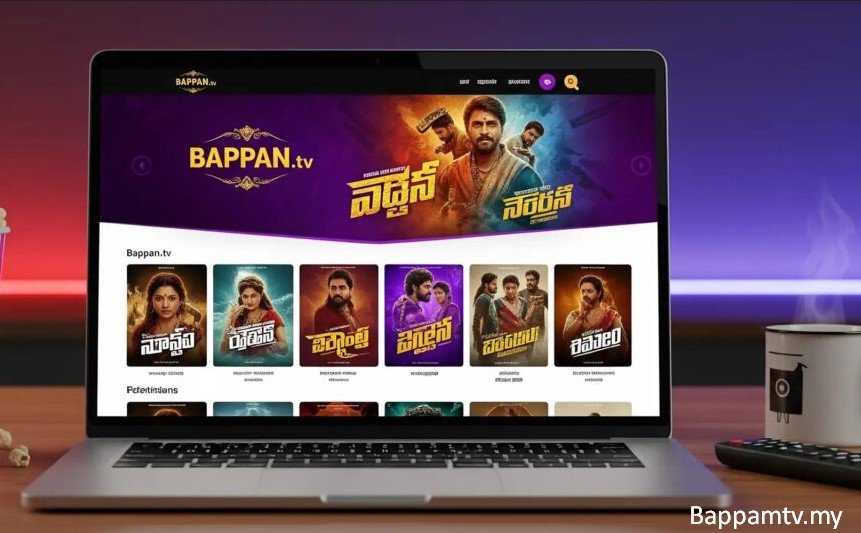
Bappan TV is a digital animation channel and entertainment brand primarily hosted on YouTube. It specializes in short-format animated stories, moral tales, bedtime narratives, and comedic situational plots tailored for Hindi-speaking audiences.
The channel focuses on child-friendly narratives where characters navigate everyday dilemmas, magical encounters, school adventures, and family life. Unlike fast-paced, dialogue-light sensory cartoons designed merely to distract toddlers, Bappan TV builds dialogue-rich narratives where dialogue, actions, and consequences drive the story forward.
Key Highlights at a Glance
- Primary Language: Hindi (simple, conversational, and culturally rooted).
- Target Audience: Children aged 4 to 12 years, along with co-viewing parents and grandparents.
- Core Themes: Moral education, honesty, teamwork, Indian festivals, social etiquette, and witty problem-solving.
- Primary Platform: YouTube and YouTube Kids, accessible across smartphones, tablets, and Smart TVs.
The Core Philosophy Behind Bappan TV’s Storytelling

Storytelling in India has always served as an informal classroom. For generations, grandparents shared tales from the Panchatantra, Hitopadesha, Jataka Tales, and local folklore to teach children right from wrong. In modern nuclear families where grandparents may not live under the same roof, digital platforms have assumed this storytelling role.
Bappan TV structures its episodes around clear ethical questions:
- What happens when someone acts out of greed?
- Why is hard work more sustainable than shortcuts?
- How does kindness to animals and strangers reward an individual?
- Why should children listen to parental guidance during emergencies?
By addressing these questions through engaging characters rather than dry lectures, the channel keeps children entertained while helping them absorb fundamental life skills.
Key Content Categories on Bappan TV
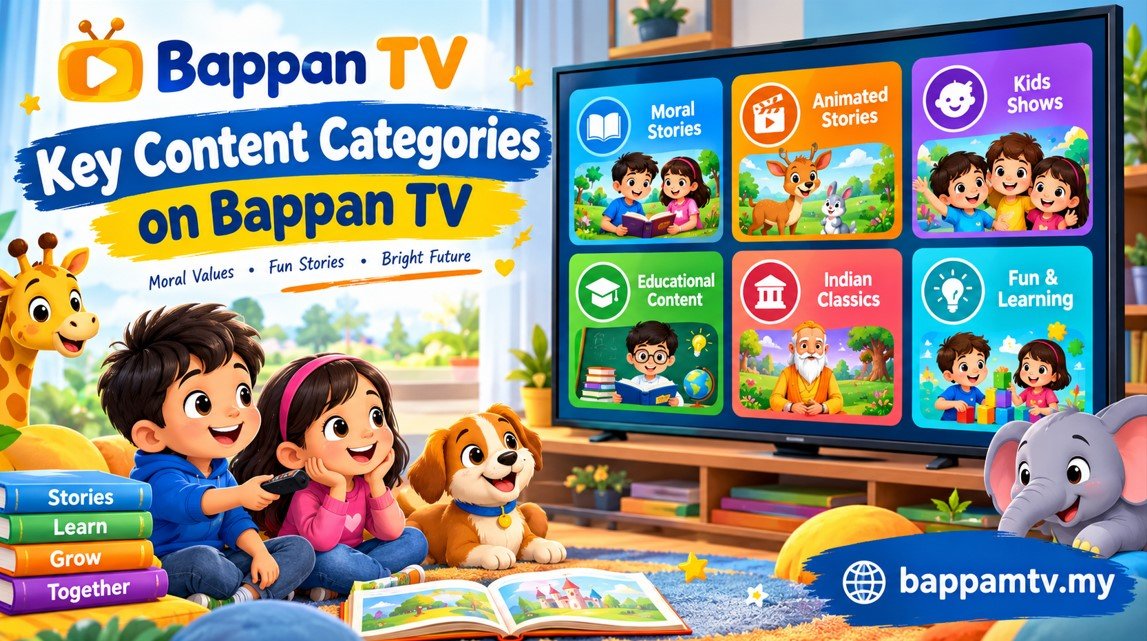
The content library on Bappan TV is diverse, catering to different age brackets and viewing moods. The platform categorizes its content into several major themes:
┌───────────────────────────────┐
│ Bappan TV Content Hub │
└──────────────┬────────────────┘
│
┌──────────────────┬────────────┴───────┬──────────────────┐
▼ ▼ ▼ ▼
┌──────────────┐ ┌──────────────┐ ┌──────────────┐ ┌──────────────┐
│ Moral Tales │ │ Daily School │ │ Magic & │ │ Festivals & │
│ & Fables │ │ & Home Life │ │ Fantasy │ │ Culture │
└──────────────┘ └──────────────┘ └──────────────┘ └──────────────┘
1. Moral & Didactic Stories (Naitik Kahaniyan)
These episodes form the backbone of the channel. Each video presents a central conflict—such as a character telling a lie to avoid homework or hiding a broken item—and demonstrates how the truth eventually emerges. The narrative emphasizes redemption and forgiveness rather than harsh punishment, reinforcing empathy and accountability.
2. Everyday Relatable Adventures
These stories mirror the day-to-day life of an average Indian schoolchild. Plots involve:
- Sibling rivalries and learning to share toys.
- Making friends on the playground.
- Dealing with school bullies through wit and adult intervention.
- Learning respect for household helpers, teachers, and elders.
3. Magical Realism and Folktales
Children naturally love wonder and fantasy. Bappan TV introduces gentle magical elements—such as talking animals, magical trees, wishing bowls, or wise forest sages—reminiscent of traditional Indian folklore. These elements spark creative imagination without turning dark, violent, or frightening.
4. Cultural Celebrations and Festivals
Special episodes coincide with major Indian festivals like Diwali, Holi, Eid, Raksha Bandhan, and Independence Day. These episodes explain why the festival is celebrated, highlighting community harmony, sharing sweets, and understanding historical or traditional roots.
Why Bappan TV Resonates with Indian Audiences
The massive popularity of Bappan TV across Tier 1, Tier 2, and Tier 3 cities in India stems from several intentional creative choices:
1. Authentic Vernacular Immersion
Many urban kids today consume content exclusively in Western English accents, creating a cultural and linguistic disconnect with their native heritage. Bappan TV uses clean, expressive, everyday Hindi. It introduces regional idioms, polite honorifics (such as Aap, Bhaiya, Didi, Kaka), and natural intonation that children can use directly in conversation with their families.
2. Familiar Visual Environments
The backgrounds in Bappan TV reflect Indian reality. You see veranda-style homes, earthen pots, mango orchards, bustling local bazaars, auto-rickshaws, and Indian classroom desks. This visual familiarity makes it easy for Indian children to identify with the stories.
Visual Grounding on Bappan TV:
├── Village verandas & courtyard homes
├── Indian school uniforms & classroom benches
├── Local grocery shops (Kirana stores) & street markets
└── Traditional festive attire during cultural episodes
3. Clear, High-Contrast Character Tropes
Young children process information best when character motivations are distinct. Bappan TV uses well-defined characters: the mischievous child, the hard-working farmer, the wise elder, and the greedy merchant. This helps young viewers follow the plot and understand the moral message without confusion.
Educational and Developmental Value for Growing Children
Screen time is often viewed as passive entertainment, but structured animated storytelling can actively support child development.
Cognitive and Emotional Growth
- Cause-and-Effect Comprehension: Watching characters experience direct outcomes from poor choices helps develop basic reasoning skills.
- Emotional Literacy: Facial expressions in the animation clearly display sadness, joy, remorse, pride, and jealousy, helping younger viewers identify and label emotions.
- Conflict Resolution Skills: When animated peers resolve a fight over a toy by taking turns, children learn practical ways to navigate their own playground disputes.
Language and Vocabulary Building
Bappan TV introduces rich Hindi vocabulary that goes beyond casual slang. Children learn descriptive adjectives, formal greetings, and respectful sentence structures, supporting dual-language development in bilingual households.
Animation Quality, Voice Acting, and Production Style
Visual Aesthetic
Bappan TV uses a streamlined 3D digital animation pipeline optimized for frequent uploads and vibrant mobile viewing. While it does not aim for the multi-million-dollar realism of major Hollywood studios, it delivers what matters most for young viewers:
- Bright, saturated primary and secondary color palettes.
- Large, expressive eyes and clear lip movements.
- Uncluttered background staging so children can focus on the characters.
Voice Acting and Sound Design
Voice acting plays a huge role in vernacular storytelling. The channel uses expressive voice artists who give each character a unique tone and cadence:
- Child characters sound natural, cheerful, and energetic.
- Elders and teachers carry calm, authoritative, and affectionate tones.
- Folk musical instruments (like the dholak, flute, and harmonium) add authentic regional flavor to comedic or dramatic moments.
Bappan TV vs. Other Indian Animation Channels
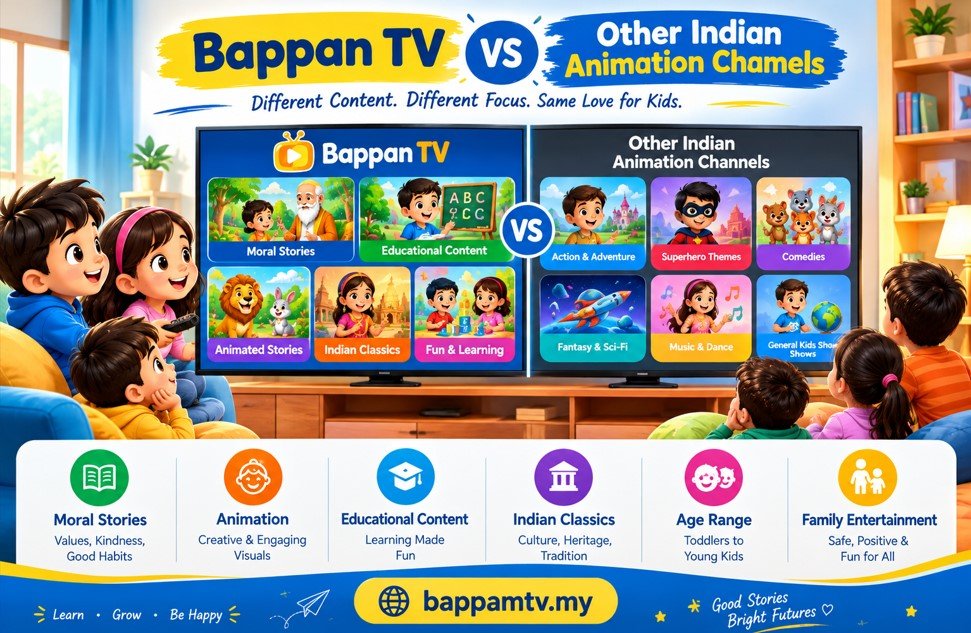
To see how Bappan TV fits into India’s digital animation space, here is a direct comparison with other leading Indian kids’ channels on YouTube:
| Feature / Metric | Bappan TV | ChuChu TV | Infobells (Hindi) | PunToon Kids |
| Primary Content Format | Narrative moral stories & situational comedy | Nursery rhymes & toddler musical songs | Rhymes, preschool learning & cultural fables | Relatable school stories & moral lessons |
| Primary Age Group | 4 – 12 years | 1 – 5 years | 2 – 7 years | 4 – 10 years |
| Pacing | Moderate, dialogue-driven | Fast, rhythmic, high-sensory | Steady, musical & educational | Fast-paced, situational dialogue |
| Language Register | Conversational & traditional Hindi | English / Multi-language rhymes | Pure Hindi, Telugu, Tamil versions | Conversational Hindi & Hinglish |
| Visual Focus | Village & urban story settings | Fantasy & bright preschool graphics | Traditional cultural & rural aesthetic | Contemporary urban school settings |
| Key Strength | Moral outcomes & engaging storytelling | High replay value for toddlers | Musical learning & preschool concepts | Modern peer relationships & comedy |
Pros and Cons of Bappan TV
Pros
- Rich Moral Foundation: Focuses on empathy, honesty, hard work, and respect for others.
- Clean Family Content: Free from inappropriate language, graphic violence, or adult themes.
- Cultural Connection: Preserves Indian storytelling traditions, community values, and festival heritage.
- Accessible and Free: Available at no cost on YouTube and YouTube Kids across smart devices.
- Language Reinforcement: Helps NRI and urban Indian children practice and retain conversational Hindi.
Cons
- Simpler Animation: Uses practical 3D assets that are less polished than big-budget theatrical features.
- Formulaic Plots: Frequent viewers may notice recurring narrative patterns in how conflicts resolve.
- Platform Ads: Watching on standard YouTube can lead to commercial interruptions unless managed via YouTube Kids or Premium.
How Parents Can Maximize Learning from Bappan TV
Turn screen time from a passive babysitter into an active learning session with these simple strategies:
┌──────────────────────────────────────────────┐
│ Active Co-Viewing Framework │
└──────────────────────┬───────────────────────┘
│
┌────────────────────────────┼────────────────────────────┐
▼ ▼ ▼
┌──────────────┐ ┌──────────────┐ ┌──────────────┐
│ PRE-VIEW │ │ DURING │ │ POST-VIEW │
│ Set context │ │ Pause & ask │ │ Connect to │
│ for topic │ │ “What next?”│ │ daily life │
└──────────────┘ └──────────────┘ └──────────────┘
1. Practice Active Co-Viewing
Sit with your child for at least one 10-minute episode. Notice which characters they root for and how they react when a character makes a mistake.
2. Pause and Predict
Halfway through an episode—especially when a character faces a tough choice—pause the video. Ask:
“What do you think will happen if he hides the truth from his mother?”
“What would you do if you found that lost bag?”
This simple habit turns passive video consumption into an active moral reasoning exercise.
3. Connect the Story to Real Life
When your child encounters a real-world dilemma (such as sharing snacks or admitting a mistake), refer back to a story they watched:
“Remember how the boy in Bappan TV felt much better after telling the truth? It is always safe to tell me what happened.”
Digital Safety and Safe Viewing Practices
Because Bappan TV is primarily accessed online, parents should set up a safe viewing environment:
- Use YouTube Kids: Create a dedicated child profile and set content settings to “Preschool” or “School” to prevent autoplay from wandering into unvetted content.
- Block Search (Optional): If your child is young, turn off the search function inside YouTube Kids so they only watch channels and playlists you approve.
- Set Clear Time Limits: Limit viewing sessions to 20–30 minutes at a time. This prevents eye strain and protects time for physical play, reading, and homework.
- Watch on the Big Screen: Encourage children to watch on the family television rather than a personal smartphone. This makes it easier to monitor their viewing habits.
The Future of Vernacular Kids’ Content in India
The success of channels like Bappan TV reflects a broader shift across India’s digital entertainment landscape. Several trends will shape the future of this space:
- Regional Language Expansions: Platforms are translating successful Hindi stories into Bengali, Marathi, Tamil, Telugu, and Bhojpuri to reach broader regional audiences.
- Interactive Storytelling: Future releases may incorporate choose-your-own-adventure formats and educational games featuring Bappan TV characters.
- Higher Production Values: As competition grows, regional animation studios are adopting modern rendering engines, richer character physics, and cinematic musical scores.
- Merchandising and Books: Popular digital characters are increasingly moving into physical storybooks, activity kits, and educational toys, blending screen time with hands-on learning.
Frequently Asked Questions (FAQs)
1. What is Bappan TV?
Bappan TV is an Indian animated digital channel that produces 3D animated moral stories, folklore, bedtime tales, and character-driven entertainment in Hindi for children and families.
2. What age group is Bappan TV suitable for?
The channel is designed primarily for kids aged 4 to 12 years. However, toddlers enjoy the colorful visuals, and parents frequently watch alongside their children.
3. Is Bappan TV safe for young children?
Yes. The content focuses on positive ethics, cultural values, and everyday problem-solving. It avoids profanity, gore, graphic violence, and mature themes.
4. Is Bappan TV available in languages other than Hindi?
While Hindi is the primary language, popular episodes are sometimes dubbed or adapted into other Indian regional languages to reach wider audiences across the country.
5. Where can I watch Bappan TV?
You can stream Bappan TV on YouTube and the YouTube Kids app across smartphones, tablets, laptops, and Smart TVs.
6. Are the stories on Bappan TV original or adapted from folklore?
The channel features a mix of both. Some episodes adapt classic tales from the Panchatantra, Akbar-Birbal, and traditional Indian folklore, while others are original stories set in modern schools and neighborhoods.
7. How does Bappan TV help with language development?
It exposes children to clean, natural, and expressive Hindi. Listening to these stories helps improve vocabulary, sentence structure, listening comprehension, and pronunciation.
8. Does Bappan TV charge a subscription fee?
No. The channel is free to watch on YouTube with standard ads. If you subscribe to YouTube Premium, you can enjoy the episodes ad-free and download them for offline viewing.
9. Can teachers use Bappan TV in the classroom?
Yes. Primary school teachers often use these short animated stories as visual aids for Hindi language comprehension, value education classes, and creative writing prompts.
Final Verdict
Bappan TV has earned its place in modern Indian households by making traditional moral education engaging and accessible. By addressing everyday dilemmas through colorful animation, relatable characters, and expressive Hindi dialogue, the channel offers a healthy alternative to purely chaotic kids’ cartoons.
When paired with thoughtful parental guidance and healthy screen-time limits, Bappan TV serves as both an entertaining digital companion and a helpful tool for teaching empathy, honesty, and cultural pride to the next generation.


![Bappam TV: What Actually Happened to the Site [ Alternatives & Competitors]](https://bappamtv.my/wp-content/uploads/2026/07/Bappam-TV-What-Actually-Happened-to-the-Site-Alternatives-Competitors-768x577.jpg)